


It’s been a thing for a while now and it’s not going away any time soon. Single-use plastics are a problem. They’re everywhere in society. Yes, they’re convenient, you can pop to the shops, pick up your favourite fizzy drink and hey presto, it’s as easy as that. But these plastics also have a significant impact on environmental pollution.
In this blog, we’ll take a look at these single-use plastics, look at what they are, why they can be harmful and dive into any steps you can take to minimise your use and therefore the impact they’re having on everyone’s lives. We’ll also give you one way you can achieve this. Through a filtered water bottle, like those from Pure Clear Filters, you can reduce your plastic waste considerably and even improve your health.
What Are Single-Use Plastics?
Single-use plastics are items designed to be used once and then discarded. Good examples are plastic bags, straws, coffee stirrers, fizzy drink and water bottles, and the majority of food packaging. Manufactured from petrochemicals, which are non-renewable resources, single use plastics are not biodegradable. This means that they break down into tiny particles called microplastics and they can last hundreds of years in our environment.
How Are Single-Use Plastics Bad for the Environment?
The impact single-use plastics have on the environment can be devastating. Every piece of plastic ever made still exists in some form, whether it’s in a landfill, the ocean, or as microscopic particles in the air we breathe. But why do single use plastics cause so many problems for the environment?
Well if plastic waste ends up in the ocean it can pose a real threat to marine life. Furthermore animals often mistake plastic waste for food, which if eaten can result in them choking or being poisoned. Another main issue is that the production of plastics releases greenhouse gases in the atmosphere which is a major contributor to climate change.
If you keep an eye out, bits of plastic called microplastics are a common sight all over the world. When bigger plastics break down, microplastics form and they are now found in cities, the countryside and in the sea all over. It’s so widespread that they are entering the food chain. And it’s safe to say they can have an adverse effect on not just our health but all wildlife. Studies have shown these microplastics are now in the food we eat and the water we drink. We’re still trying to understand how adversely this is affecting our health in the long term.
Remarkably, a study by the department of medicine at Danube Private University in Austria concluded that even just cutting out drinking liquids from plastic bottles could lower your blood pressure thanks to not consuming any microplastics contained within the liquid of the bottles.
What Single-Use Plastics Are Banned?
Because of the growing concern over plastic pollution, some countries and cities have begun to implement bans on certain types of single-use plastics. For example, there is now a ban or restriction on the use of plastic bags, straws, and cutlery in some parts of the world: The EU has now banned single-use plastic items like plates, cutlery, straws, while in the USA, a number of states have banned the use of plastic bags, and some cities have taken steps to eliminate plastic straws and Styrofoam containers.
These bans play an important role when it comes to reducing plastic waste, however, there is still a long way to go. While implementing these measures are helping to limit the amount of plastics in the environment, there are still millions of tons of single-use plastics being produced and discarded every year.
How Many Single-Use Plastics Are Used Every Day?
When you list the figures for single-use plastic consumption, it’s hard not to be baffled. The world actually uses 1 million plastic bottles every single minute. Add all that up over a year and you’re at more than 500 billion. That’s over 60 per person on average! 100 billion plastic bags are used in a massive country like the USA every year. And they require 12 million barrels of oil in their production. Add single-use plastic straws, coffee cups and food packaging into the equation and it’s posing a huge problem.
While it is actually possible to recycle most of these items, the reality is that only a small percentage ever are. The rest tend to end up in landfills, incinerators, or just in the natural environment. This ongoing cycle of production, consumption, and disposal is unsustainable and does and will continue to cause real issues for the environment.
How Using Filtered Water Bottles Can Help
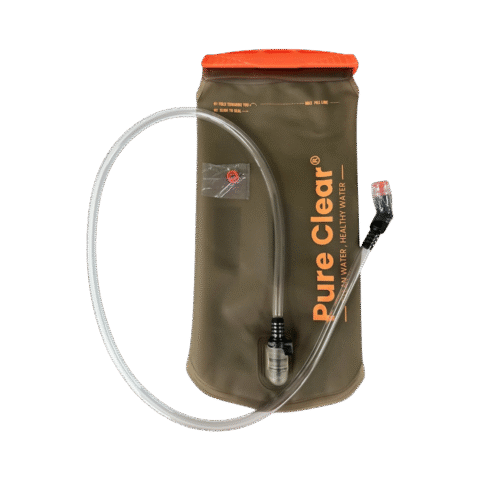
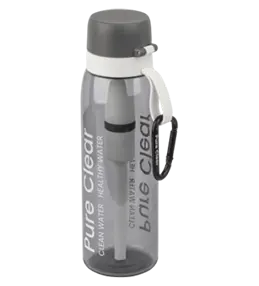
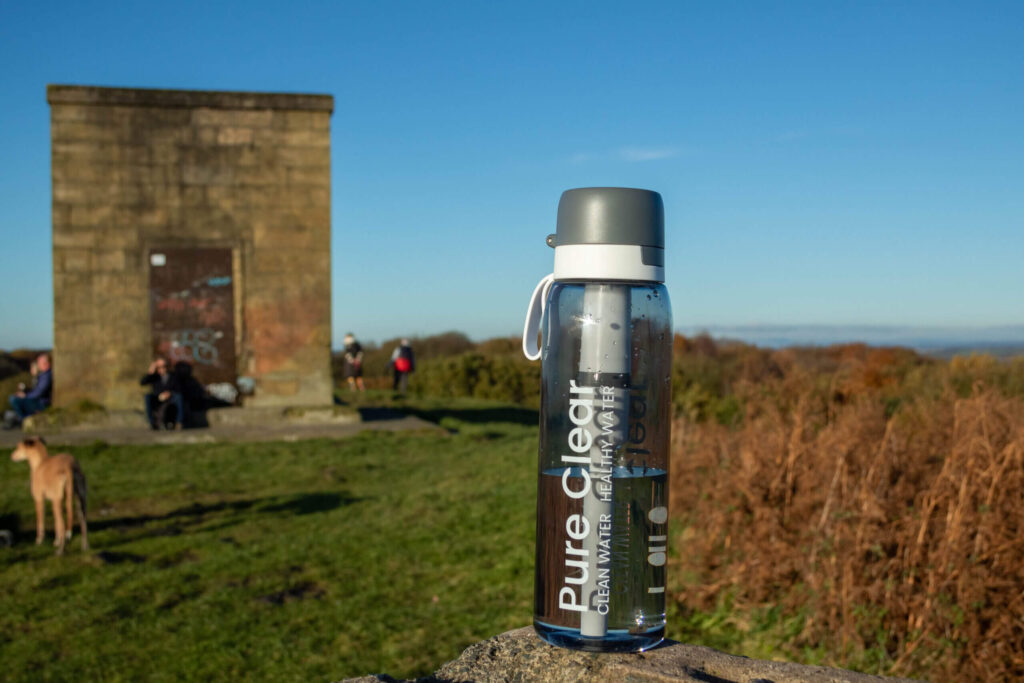
One of the best ways to reduce reliance on single-use plastics is by switching to a reusable filtered water bottle. Figures we highlighted earlier in this blog post show how many plastic water bottles are produced annually and anything that can be done to reduce this will be a real bonus.
At Pure Clear Filters our cutting edge products are making it easier than ever for people to enjoy clean, great-tasting water on the go without the need for disposable plastic bottles. Here are some of the ways that making the switch can benefit both consumers and the environment:
- A Reduction in Plastic Waste: By using a filtered water bottle when you head to the gym, hike outdoors or even go for a run, you can cut down on the number of plastic bottles you use. Every time you refill your bottle, there is likely to be one less plastic bottle that ends up in a landfill or the ocean.
- Save Money: As the cost of living continues to rise, buying Bottled water can be expensive, especially when compared to the cost of tap water. With a reusable filtered water bottle, you can enjoy the same high-quality water without needing to spend money on expensive bottled water.
- Healthier Lifestyle: The way they are designed means that filtered water bottles remove contaminants like chlorine, lead, and bacteria, providing you with clean, safe water wherever you are. This can be particularly beneficial if you are travelling or when you are in parts of the world where the quality of tap water may be questionable.
- Convenience: The design of modern filtered water bottles makes them easy to use. They’re portable, even when you’re cycling, easy to clean, and can be refilled from almost any water source. This is why they are the ideal choice for anyone with a busy active lifestyle.
- Positive Environmental Impact: By reducing your reliance on single-use plastics, you’re doing your bit for environmental sustainability. Every little bit counts, and by making the switch to a filtered water bottle, you can help reduce the demand for plastic production and its associated environmental impacts.
In conclusion, while the challenge of reducing single-use plastics may seem daunting, it is possible for everyone to make their own contribution. By making the switch to a reusable filtered water bottle you can contribute to a cleaner, healthier planet.
At Pure Clear Filters we are committed to delivering solutions that not only benefit our customers but also the environment. So, contact our team today and find out how together, we can make a significant impact in the fight against plastic pollution.