





Is that weekend trek through the hills a simple walk, or does it qualify as a hike?
Many people often blur the lines between walking and hiking, yet these activities are different, each with its own unique characteristics. While the difference may seem subtle, knowing what sets walking apart from hiking can transform your outdoor experience.
Let’s take a look at what makes a stroll different from a hike, and why it matters for your adventures.
Defining a walk
The term “walk” is defined by the Cambridge Dictionary as both a noun and a verb. As a noun, a walk is often a leisurely journey, enjoyed by people of all ages and fitness levels. As a verb, it describes the physical act of moving by placing one foot in front of the other. These definitions suggest that a walk is a versatile activity, providing both enjoyment and functional benefits, making it an accessible and practical form of exercise that requires minimal effort or equipment.
Defining A Hike
The Cambridge Dictionary defines “hike” as both a noun and a verb, meaning “a long walk, especially in the countryside.” This definition highlights that hiking typically involves longer distances and a more significant time commitment than casual walking. Additionally, hikes are usually conducted in natural or rural settings, emphasising the activity’s connection to nature and outdoor environments.
Comparing Walks and Hikes
Terrain and Environment
Typically, walks take place on flat, well-maintained surfaces such as pavements, park pathways, and council trails, offering a relaxed and predictable environment. Contrasting this, a hike often entails navigating diverse and challenging terrains, such as steep inclines, forests, mountains, and rocky trails. The environment of a hike is much more unpredictable, a hike brings you much closer to nature, making it more adventurous than just a simple walk.
Physical Intensity
The intensity of physical activity is a great indicator as to whether you are hiking or just walking. Generally speaking, walks are genuinely low-impact and require minimal effort. Walks are perfect for social interaction, as their leisurely pace makes it easy to relax and enjoy conversation. Walking is also suitable for all fitness levels and ages.
Hiking, however, is much more physically demanding. The level of intensity can vary a lot when hiking depending on the difficulty of the chosen route. The uneven terrain, elevation changes, and longer distances of hikes require greater stamina, strength and cardiovascular endurance than a regular walk.
Equipment and Preparation
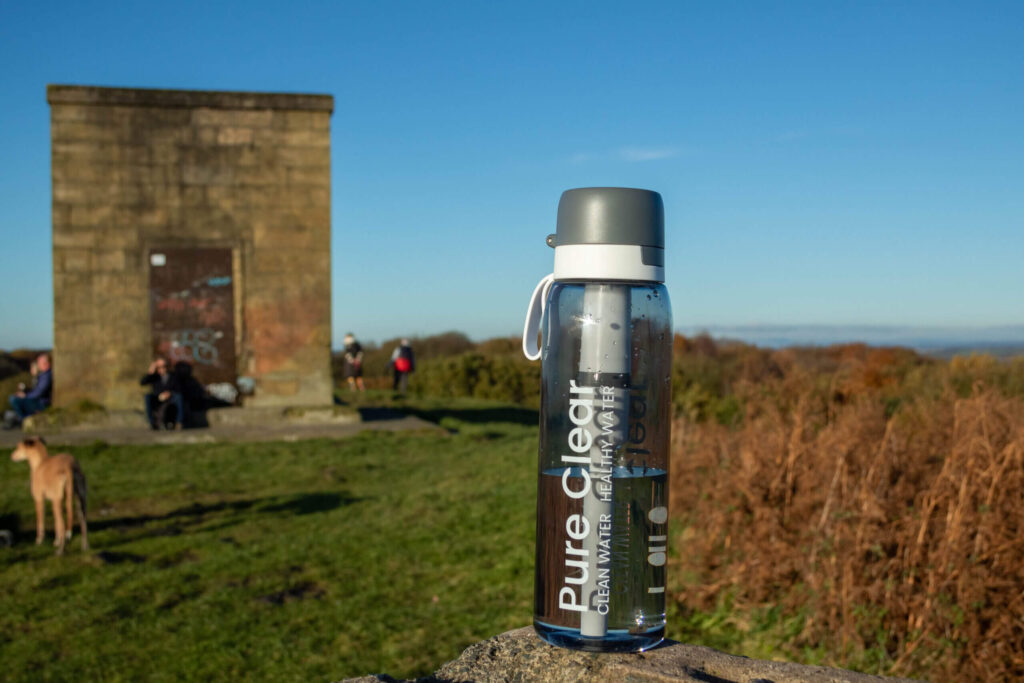
Walking typically requires little more than a comfortable pair of shoes and weather-appropriate clothing. It’s a simple, no-fuss, form of exercise. On the other hand, hiking requires much more preparation and specialised equipment. Depending on the difficulty of the trail, hikers are usually recommended to wear more sturdy footwear with good grip, such as walking boots. Sometimes a hike may require taking a backpack with essentials such as a filter water bottle, snacks, a first aid kit, and walking poles.
When Does A Walk Become A Hike?
The transition from a walk to a hike isn’t always clear, but certain factors can help determine when a simple stroll turns into something more adventurous. A walk generally becomes a hike when you leave behind the paved paths and enter natural, uneven terrain—think dirt trails, rocky paths, or forested areas. The level of difficulty also plays a role; if you’re facing steep inclines, navigating through wilderness, or travelling longer distances, you’re likely hiking rather than walking.
Essentially, a walk becomes a hike when it involves more physical exertion, varied terrain, and a deeper connection with nature, transforming the experience into a more immersive and challenging outdoor activity.
Benefits of Walking vs Hiking
Walking and hiking share several overlapping benefits, making them both excellent choices for improving overall health and well-being. Here’s how they compare:
Overlapping Benefits
- Enhanced Cardiovascular Health: Both activities strengthen the heart and improve circulation.
- Muscle Strengthening: Walking and hiking tone and strengthen muscles, particularly in the legs and core.
- Mood Improvement: Both boost mood, reduce stress, and enhance mental well-being through the release of endorphins.
- Increased Energy Levels: Regular walking and hiking can boost overall energy and reduce fatigue.
- Mental Clarity: Both activities promote mindfulness and mental relaxation by spending time outdoors.
- Weight Management: Both help maintain a healthy weight by burning calories and boosting metabolism.
- Joint Health: Walking and hiking improve joint flexibility and reduce stiffness, benefiting overall mobility.
Unique Benefits of Hiking
- Enhanced Balance: Hiking often involves navigating uneven terrain and elevation changes, which enhances balance and coordination.
- Higher Intensity: The increased intensity of hiking burns more calories compared to walking.
- Improved Lung Capacity: Hiking, especially in higher altitudes, improves respiratory function and lung capacity.
- Increased Bone Density: The weight-bearing nature of hiking strengthens bones.
- Deeper Connection with Nature: Hiking immerses you in natural environments.
Unique Benefits of Walking
- Accessibility: Walking is easily accessible and can be done almost anywhere without specialised equipment.
- Low Impact on Joints: The gentle nature of walking makes it suitable for people with joint issues or arthritis.
- Simple Routine Integration: Walking can be easily incorporated into daily routines, such as commuting or leisure activities.
- Improved Digestion: Walking aids in digestion and helps alleviate bloating and discomfort.
- Support for Longevity: Regular walking is linked to a longer lifespan and reduced risk of chronic diseases.
FAQs
Can I turn my walk into a hike?
You can easily turn a walk into a hike by selecting a more rugged terrain, increasing the distance and elevation, and using appropriate hiking gear.
Do I need special shoes for hiking?
You do not necessarily need special shoes for hiking, however it’s recommended to wear specialised hiking shoes or boots. This is to ensure better support, traction, and protection on rough or uneven terrain.
Final Thoughts
Walking and hiking each offer unique experiences and benefits. Walking is a versatile, low-impact activity suitable for all ages, perfect for daily routines and social interactions. Hiking, however, is more demanding and adventurous, involving challenging terrains and a deeper connection with nature. Understanding these differences helps you choose the right activity, whether you’re seeking a leisurely stroll or an invigorating outdoor adventure. Both contribute to a healthier, more active lifestyle.