


Wanting to get into hiking but not sure where to start? Hiking is a fantastic way to explore nature and stay active, but planning your first adventure can feel overwhelming.
The most important part of any hike is being prepared. To help you with this, we have created this guide that covers all the essentials—from choosing the right gear and packing food to staying safe and comfortable on the trail.
By the end, you’ll have the confidence to lace up your boots and get going on your first hike!
Planning Your First Hike
Before you hit the trail, it’s important to choose the right hike for your fitness level and experience. Start with easy, well-marked trails, and gradually work your way up to more challenging ones. Research the trail conditions, weather forecast, and time it will take to complete your hike to ensure a smooth and enjoyable experience.
Is it hard for a beginner to hike?
Hiking can be a fantastic activity for beginners, and whether it’s hard depends on factors like trail difficulty, physical fitness, and preparation. For first-time hikers, starting with easy, well-marked trails is key to building confidence and endurance. With the right gear, proper planning, and a realistic approach, hiking is accessible to nearly anyone.
Staying Hydrated On The Trail
Staying hydrated is crucial for maintaining energy and avoiding dehydration during your hike. Depending on the trail and weather conditions, it’s important to carry enough water for the entire journey. A good rule of thumb is to drink water regularly, even before you feel thirsty.
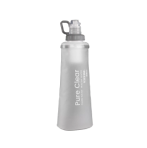
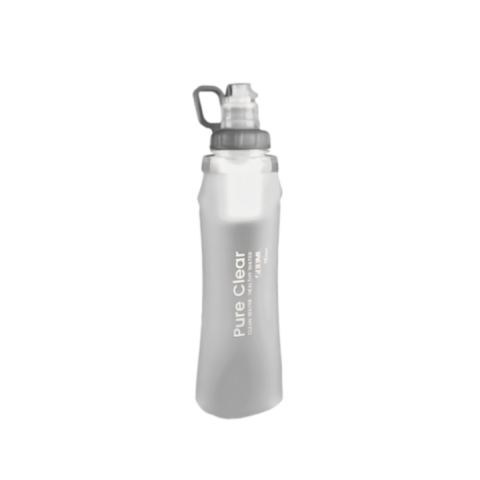
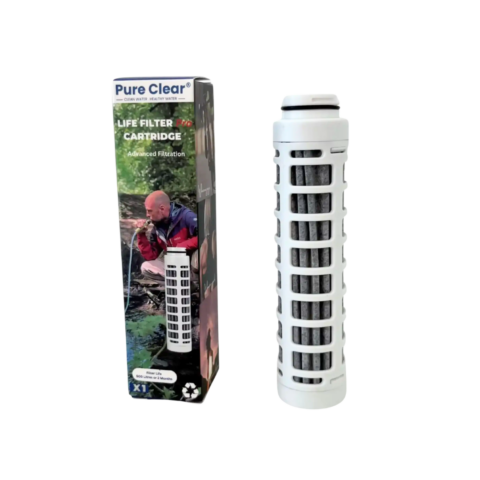
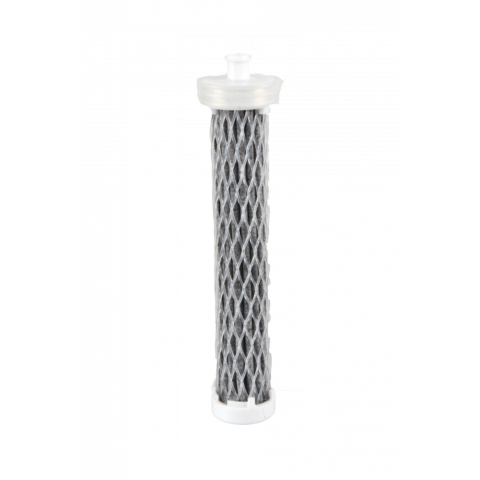
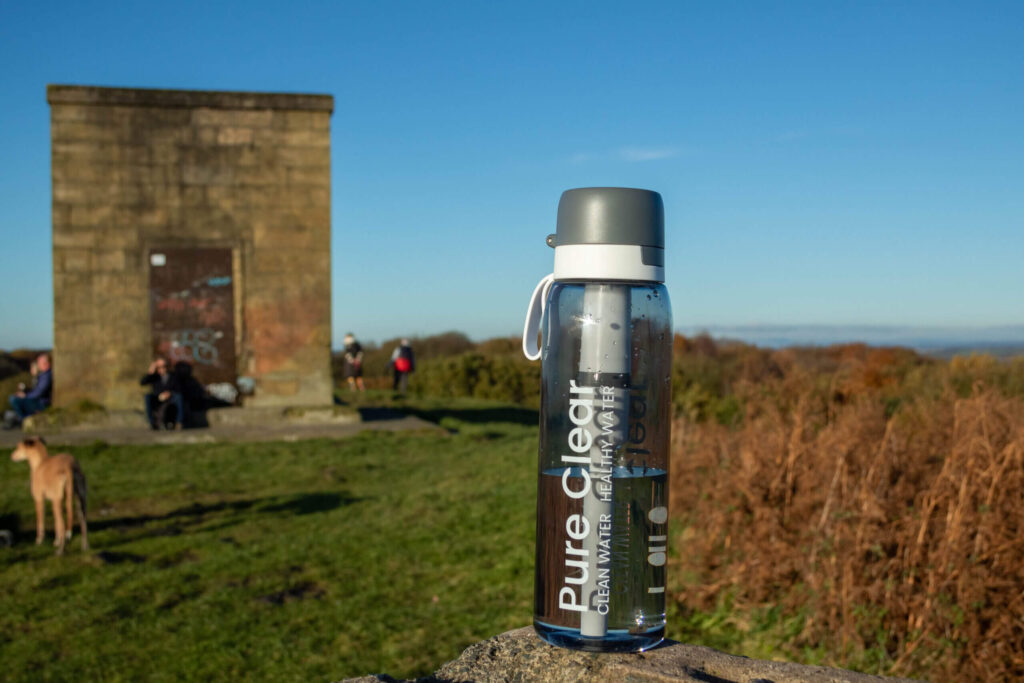
For longer hikes, where access to clean water may be limited, bringing a water filtration system is a smart and practical solution. The Pure Clear filter range offers portable, reliable, and easy-to-use filtration systems that allow you to safely refill your water from natural sources like streams, lakes, or rivers. Compact and lightweight, these filters are designed to remove harmful bacteria and contaminants, ensuring that you always have access to clean, safe drinking water while on the go.
Whether you’re tackling a short day hike or a multi-day trek, having a Pure Clear water filter bottle in your gear can make all the difference.
What Food To Take To Fuel Your Hike
Choosing the right food for your hike is essential to maintain energy levels and stay fueled throughout your adventure. Here are some great food options to pack:
- Trail Mix: A mix of nuts, seeds, dried fruit, and chocolate or other sweets for a perfect balance of protein, fats, and sugars.
- Energy Bars: Lightweight and packed with nutrients, they’re easy to carry and provide a quick energy boost.
- Fruit: High in natural sugars, fruit like raisins, apricots, or cranberries offer quick energy.
- Nuts and Seeds: A great source of protein and healthy fats, nuts like almonds, walnuts, and sunflower seeds are filling and nutritious.
- Sandwiches or Wraps: For longer hikes, pack a simple sandwich or wrap with your favourite fillings (e.g., peanut butter, cheese, or hummus) to keep hunger at bay.
- Energy Gels or Chews: Quick, easy-to-digest options for a fast energy boost during high-intensity parts of the hike.
Should I eat before a hike?
Eating before a hike is a good idea to ensure you have enough energy for the trail. It’s best to have a light, balanced meal or snack about 30 minutes to an hour before starting your hike. Focus on easily digestible foods that provide a mix of complex carbohydrates, protein, and healthy fats.
Avoid heavy or greasy foods that could make you feel sluggish or uncomfortable during the hike.
Pre-Hike Prep: Clothing and Footwear
Proper clothing and footwear are essential for a comfortable and safe hike. Start with moisture-wicking layers to keep sweat off your skin and avoid chafing. A base layer, such as a lightweight shirt, will help regulate body temperature, while an insulating layer like a fleece will keep you warm in cooler conditions. Always bring a waterproof outer layer in case of rain.
For footwear, choose a good pair of hiking boots or shoes with good support, traction, and a proper fit to prevent blisters. Don’t forget to wear moisture-wicking socks to keep your feet dry and comfortable throughout the hike.
Choosing The Right Footwear
The right footwear is key for comfort and safety on the trail. Hiking boots are ideal for more rugged or uneven paths, providing ankle support and stability. For lighter trails, trail runners or hiking shoes can be a good alternative, offering flexibility and breathability. Ensure your footwear fits well and is broken in before your hike to avoid blisters and discomfort.
Hiking Essentials For Beginners
Packing the right gear ensures a safe and enjoyable hiking experience. Whether you’re heading out for a short hike or a full-day adventure, having these essentials will keep you prepared for various situations:
- Comfortable Footwear: Sturdy hiking boots or trail shoes suited to the route you are doing.
- Water Supply: Bring a hiking water bottle or hydration pack, and consider a portable water filter for longer hikes.
- Snacks and Food: Pack lightweight, high-energy foods.
- Navigation Tools: A map, compass, or GPS device to avoid getting lost.
- Weather Protection: Wear moisture-wicking layers and pack a waterproof jacket in case of rain. If the sun is shining, you should also take sunglasses and sun cream.
- First Aid Kit: Include bandages, antiseptic wipes, pain relievers, and plasters.
- Lighting: A flashlight or headlamp with extra batteries, especially if there’s a chance of being out after dark.
- Emergency Supplies: A whistle and emergency blanket for unexpected situations.
What is the most important thing to bring hiking?
The most important thing to bring hiking is water. Staying hydrated is essential for maintaining energy levels, preventing fatigue, and avoiding illnesses. Always carry enough water for the duration of your hike. For longer hikes, consider bringing a water filter bottle so that you can refill from natural water sources.
FAQs
What should you always carry in a survival pack?
A well-prepared survival pack should include water, a first aid kit, fire-starting tools, food, and a navigation tool that doesn’t rely on signal to function. Additionally, a flashlight with extra batteries and a whistle are essential items to carry. With these basics in your pack, you’ll be equipped to handle unexpected situations and stay safe while exploring the outdoors.
What is important in hiking?
Key factors for a successful hike include proper preparation, such as researching the trail and checking the weather, wearing appropriate footwear for support and traction, staying hydrated and fueled with snacks, and carrying safety essentials like a first aid kit. It’s also important to pace yourself, respect nature by sticking to marked trails, and follow Leave No Trace principles to protect the environment.
What food to take hiking?
When hiking, pack lightweight, high-energy foods that are easy to carry and eat on the trail. Great options include trail mix, energy bars, nuts and fruit. For longer hikes, bring sandwiches, wraps, or pre-cooked meals that won’t spoil easily. You should also make sure you have enough water or a water filtration system so that you can keep hydrated.
What clothing should you wear when hiking?
When hiking, it’s important to wear clothing that is comfortable, weather-appropriate, and functional. Opt for lightweight hiking pants that offer comfort and flexibility, and consider trail running shoes for lighter trails or hiking boots for more rugged terrain. A moisture-wicking base layer will keep you dry, while a rain jacket ensures protection from unexpected showers.
Do you need to be in shape to hike?
You don’t need to be in perfect shape to be able to hike. One of the great things about hiking is that you can tailor the difficulty level to suit your fitness level by choosing trails based on factors like incline, length, and weather conditions. As long as you have some basic cardiovascular fitness, you should be able to enjoy most beginner-friendly trails without issue.
What is the best footwear to use when hiking?
Sturdy walking boots are the best footwear to use when hiking. They are designed to provide support, grip, and protection on uneven or rough terrain. All of this helps to reduce the risk of injury. For lighter trails or casual hikes, trail shoes or trainers can also be a good option as they are more flexible and breathable. Always choose footwear that fits well and is broken in before hitting the trails to prevent discomfort or blisters.
Conclusion
Hiking is a rewarding adventure that can be enjoyed by people of all skill levels. The key to a successful hike is preparation—choosing the right gear, staying hydrated, fueling your body with nutritious snacks, and staying safe.
Remember to go at your own pace and make use of helpful tools, such as filter water bottles like the Pure Clear filter range, to keep you hydrated and energised throughout your journey.
With the right approach, hiking can become a fulfilling and enjoyable way to explore the outdoors and connect with nature.