


In this comprehensive guide, our experts at Pure Clear Filters delve into the essential aspects of safe solo travel in Central America, from navigating entry requirements to budgeting wisely, packing effectively, and uncovering the must-see attractions.
We know you’re itching for that airport pint (or coffee!), but before you grab your passport and print off any boarding passes, let’s dive into the heart of this captivating continent, and go through everything Central America…
Packing for Central America
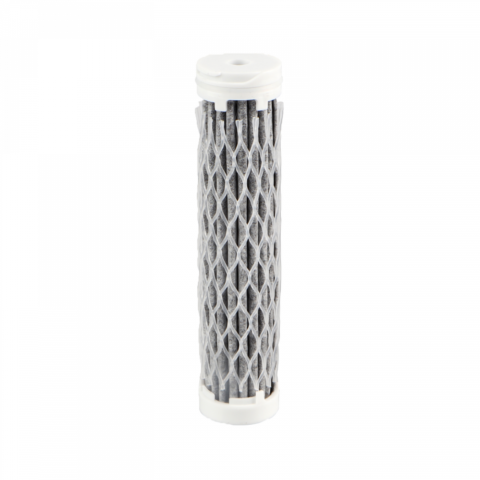
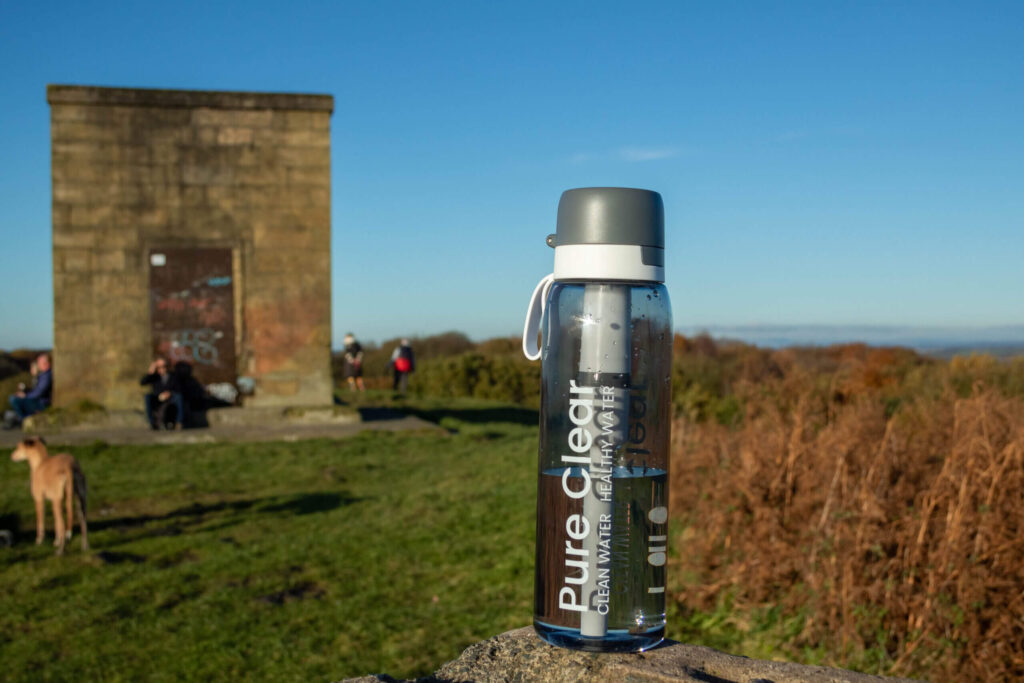
Packing for a Central American journey requires a balance between practicality and versatility. Don’t forget to include essentials like lightweight clothing, sturdy hiking shoes, and weather-appropriate gear. And, of course, remember your travel water bottle to stay hydrated throughout your explorations. Central America’s diverse climates can range from tropical beaches to mountainous terrains, so pack layers to adapt to changing conditions. Consider packing essentials like sunscreen, insect repellent, a first aid kit, and a compact rain jacket. Other items to consider include…
Microfiber Towel: These towels are lightweight, compact, and quick-drying, making them perfect for travel and beach days.
Hiking Shoes/Boots: If you plan on doing any hiking or exploring in more rugged terrain, a good pair of hiking shoes or boots can be invaluable.
Insect Repellent: Protect yourself from mosquitoes and other insects by bringing a reliable insect repellent, preferably one with DEET for more effective coverage.
Portable First Aid Kit: A compact first aid kit with basics like band-aids, antiseptic wipes, and pain relievers can be handy for minor injuries.
Travel Adapter and Power Bank: Ensure your electronics stay charged and connected by bringing a travel adapter suitable for the region’s outlets and a power bank for emergencies.
Travel Pillow: If you’re planning long bus rides or overnight transportation, a compact travel pillow can make your journey more comfortable.
Ziplock Bags: These versatile bags can help keep your belongings organised, protect electronics from water, and store snacks.
Sarong or Scarf: A multi-purpose sarong or scarf can be used as a beach cover-up, a light blanket, or even as a fashion accessory.
Headlamp/Flashlight: A small and durable light source can be useful for navigating in low-light situations or during power outages.
Quick-Dry Clothing: Consider packing clothes made from quick-drying materials that can be easily washed and dried, minimising the need for multiple outfits.
Hat with Neck Flap: Protect yourself from the sun by wearing a hat with a neck flap, which provides extra coverage for your neck and ears.
Multi-tool or Swiss Army Knife: A compact multi-tool can come in handy for various situations, from cutting fruit to minor repairs.
Notebook and Pen: While digital tools are useful, having a physical notebook and pen can be great for jotting down notes, journaling, or recording contact information.
Travel-Sized Laundry Detergent: If you plan on doing a bit of washing on the go, carrying a small amount of travel-sized laundry detergent can be convenient.
Navigating Entry Requirements to Central America
Navigating the diverse entry requirements for Central America is pivotal for your seamless travel experience. Before embarking on your adventure, grasp the essentials of each country’s stipulations to ensure a hiccup-free border crossing.
Central America unfurls a world of possibilities, embracing travellers with history, cultural richness, natural beauty, and thrilling escapades. Costa Rica, Honduras, El Salvador, Panama, Guatemala, Belize, and Nicaragua beckon with enthralling landscapes, ancient Mayan heritage, and serene beaches.
However, the first step to this captivating journey is understanding the distinct entry prerequisites. Whilst visitors from the US, Canada, the EU, and the UK enjoy shared regulations, slight variations could exist. For those hailing from other countries, consulting the respective embassy is imperative.
Furthermore, all Central American nations prioritise staying yellow fever-free. Travellers from countries on the WHO’s yellow fever list must furnish proof of vaccination.
In Belize, a passport valid for six months suffices. An initial stay of 30 days can be extended through renewal or re-entry, each option having its specifics. Costa Rica necessitates a valid passport for an uninterrupted stay of up to 90 days, with exit and re-entry required for an extension. Having a return ticket is pivotal.
Honduras mandates a passport validity of three months from entry, plus an onward/return ticket. A 90-day stay can be followed by a one-time 30-day visa extension. El Salvador, along with Honduras, Nicaragua, and Guatemala as CA-4 countries, grants 90 days visa-free entry. A 30-day extension can be obtained, and a valid passport of six months is essential.
In Guatemala, Nicaragua, and El Salvador, a six-month passport validity aligns with a 90-day in-country stay, extendable by 30 days annually.
Nicaragua offers 90 days within the CA-4 context. A repeat entry or a one-time 30-day extension can be sought, with unique entry fees for air and land arrivals.
Panama grants 180 days sans visa. Afterward, a 30-day exit is necessary. Proof of onward travel and financial solvency are prerequisites.
Be well-prepared with digital and physical passport copies, travel insurance, and vital documents. These expert insights, underscored by your diligence, shall pave the way for an enchanting and hassle-free Central American expedition.
Budgeting for Your Journey to Central America
Central America offers a diverse range of budget options, catering to both thrifty backpackers and those seeking more luxurious experiences. To navigate the financial aspect of your trip, consider a currency-exchanged daily budget of £30 to £70, varying based on the country you’re exploring. Nicaragua offers cost-effective options, while Panama and Costa Rica tend to be pricier. Be sure to include accommodation, food, transport, and leisure activities in your budget planning.
Must-See Attractions in Central America
Central America, a land of diverse landscapes and rich history, beckons travellers with a plethora of captivating experiences. From exploring ancient Mayan ruins in Tikal, Guatemala, to discovering the enchanting colonial city of Antigua and the vibrant streets of Granada, the region is a treasure trove for history enthusiasts. Nature lovers are drawn to Costa Rica’s lush rainforests and remarkable biodiversity, while adventure seekers can indulge in adrenaline-pumping activities like volcano boarding in Nicaragua and snorkelling in Belize’s Great Blue Hole.
You simply can not miss the chance to sail through the awe-inspiring Panama Canal, a marvel of engineering that connects the Pacific and Atlantic Oceans. As you journey through Central America, you’ll be immersed in a tapestry of cultures, each country offering its own unique traditions and flavours. Whether you’re island hopping in Bocas Del Toro, experiencing the wild wonders of Costa Rica’s Osa Peninsula, or self-reflecting by Guatemala’s serene Lago de Atitlán, Central America promises unforgettable memories.
From the Mayan ruins of Honduras’s Copán to the underwater adventures of Belize’s coral formations, every corner of Central America offers something special. The vibrant streets of Panama City pulsate with energy, while El Salvador’s Playa El Tunco invites you to relax on its black-sand shores. For those seeking thrills, Nicaragua’s Cerro Negro volcano offers an exhilarating opportunity to board down its ashy slopes.
The region is not only about adventure; it’s also a sanctuary for relaxation. Caye Caulker in Belize provides a tranquil escape, where visitors can do nothing more than soak in the sun, swim in the azure waters, and enjoy the laid-back island vibes. As you journey through Central America’s wonders, you’ll discover that each country is a chapter in a remarkable tale of history, nature, adventure, and culture. Whether you’re traversing the rainforests or exploring the depths of the oceans, Central America is a destination that caters to every explorer’s heart’s desire.
Staying Safe in Central America
For solo travellers, Central America can generally be considered a safe destination, provided you avoid isolated areas and refrain from travelling alone at night. Joining group tours or travelling with fellow hostel guests can enhance both safety and connection with others.
Female travellers are advised to exercise additional caution, particularly in large cities at night. Countries like Costa Rica, Panama, and Belize are recommended for solo female travellers due to their relative safety.
Regarding transportation, taxis are safe as long as they’re marked. It’s advisable to hail taxis from the street during the day and have accommodations arrange them for you at night.
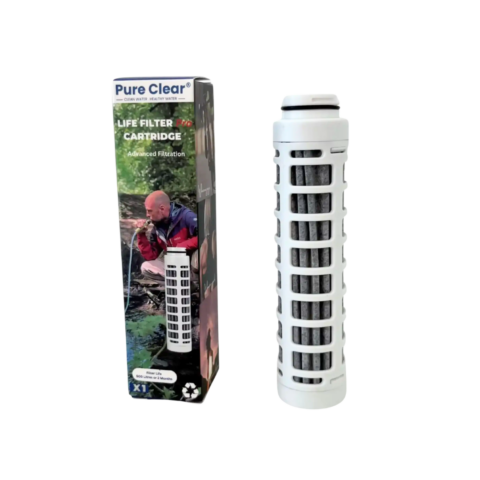
Whilst street food in Central America is a tempting option, it’s recommended to choose vendors where locals gather, ensuring both safety and deliciousness. Tap water safety varies across countries, but as a rule, avoiding tap water and using a filtered water bottle is a smart choice.
Road tripping through Central America can be rewarding, but it’s important to take precautions. Renting a car can be more expensive, and driving after dark or leaving valuables in your vehicle should be avoided. Well-maintained roads might be limited, so experienced drivers comfortable with varying conditions are best suited for road trips.
Final Thoughts on Travelling Central America…
Central America is a treasure trove of adventure, history, and natural beauty, offering a rich tapestry of experiences for the solo traveller. By navigating entry requirements, budgeting smartly, packing wisely, and embracing safety tips, you can embark on a journey that’s as enriching as it is thrilling. So, equip yourself with your necessities, a sense of curiosity, and an open heart, and get ready to explore the wonders of Central America like never before. Your solo adventure awaits!