
Whether you’re a casual weekend rider or an experienced cyclist tackling more challenging routes, knowing how to plan a cycle route is the key to an enjoyable ride. Focusing on safety, hydration, and comfort can greatly improve any cycling journey, whether you’re navigating city streets or exploring scenic countryside trails.
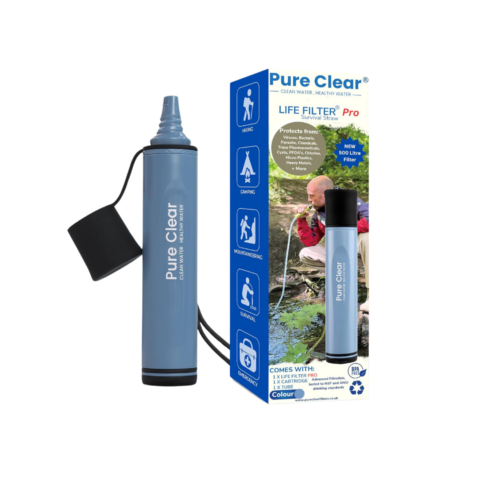
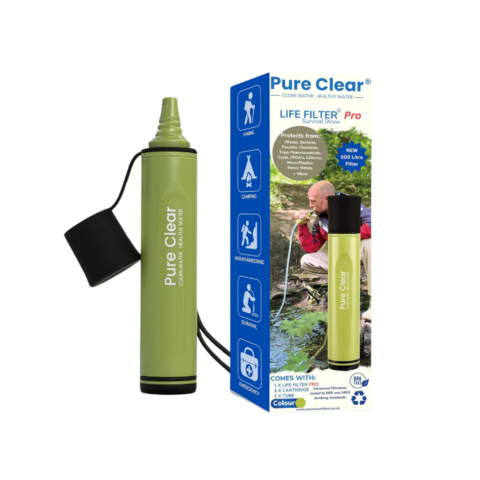
For cyclists, staying hydrated is essential — and Pure Clear’s filter water bottles make it easy to do so, offering a convenient way to enjoy clean water on the go without extra weight. In this guide, we’ll explore practical tips and tools for planning a safe and enjoyable route, ensuring that hydration is always within reach.
How do I plan a cycle route?
Planning a bike route goes beyond simply choosing a start and end point—it’s about organising a ride that’s safe, enjoyable, and suited to your abilities. Key factors to consider include avoiding busy roads, discovering scenic spots, staying hydrated, and assessing terrain and overall safety. You should also consider the weather conditions and the duration of your ride to ensure you don’t get caught in the dark without appropriate lighting. By considering all these elements, you’ll create a route that balances both enjoyment and safety.
Research the route
When planning a cycle route, thorough research can greatly enhance your experience. Here are some effective ways to gather route information:
- Physical Maps: Using traditional maps allows you to get a broad view of the area, identify different types of roads, and locate scenic stops, like viewpoints or historic sites, that apps may overlook.
- Route Planner Apps/Websites: Online GPS tools make it easy to plot routes, adjust for terrain, and check travel times. They also highlight busy areas so you can plan around them for a smoother ride.
- Tourist Boards and Local Resources: Tourist boards often offer maps, ready-made cycling routes, and updated info on road conditions. These guides are often categorised by difficulty level, which can make finding a route to suit your abilities much easier.
- Guided Tours: For a personalised experience, guided tours offer the expertise of local cyclists who can show you scenic paths, safe routes, and points of interest, adding depth and ease to your ride planning.
Researching ahead ensures you have a safe, enjoyable, and well-prepared cycling experience.
Consider hydration needs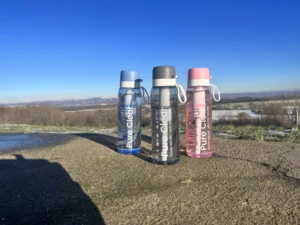
Staying hydrated is an essential part for any cycling route. Be sure to plan regular water stops, especially on longer rides or in hot weather. Consider carrying a refillable bottle, like Pure Clear’s cycling water bottles, to ensure you have access to clean water throughout your ride.
Safety and terrain
Prioritise your safety by selecting routes that match your skill level and experience with different terrains. Avoid heavily trafficked roads when possible and be mindful of steep climbs or descents that could be challenging. Check the route’s elevation profile and surface type to ensure it’s suitable for your bike and comfort level.
Weather and timing
Always check the weather forecast to make sure your bike and clothing are suited to the expected weather, and plan your route with the duration in mind. In winter, be prepared for temperature drops and shorter daylight hours. Aim to finish before dark, or if you’ll be out later, equip yourself with high-visibility clothing and proper lighting to stay safe.
Is there an app to plan a cycle route?
There are many apps available to make route planning easy and efficient. The best apps include user-friendly features like offline maps, route optimisation, and turn-by-turn navigation. Many also offer real-time updates, making it possible to adjust for unexpected changes in traffic or weather. If you’re planning routes with multiple stops, some apps allow you to customise routes with specific checkpoints, ensuring your path is optimised for both time and enjoyment.
Here are five top-rated apps for cycle route planning in the UK, each packed with features to make cycling more enjoyable, safe, and tailored to your preferences:
- Komoot
- Ride with GPS
- Strava
- BikeMap
- OS Maps
Planning a hydration strategy for your route
When planning your cycling route, it’s essential to think ahead about hydration. The amount of water you carry will depend on factors like the ride duration, terrain, and weather conditions. On longer routes, you’ll need to ensure you have enough water to stay hydrated, but also consider refill stops along the way. Plan your route to include water sources such as public fountains, cafes, or streams, ensuring you can top up as needed.
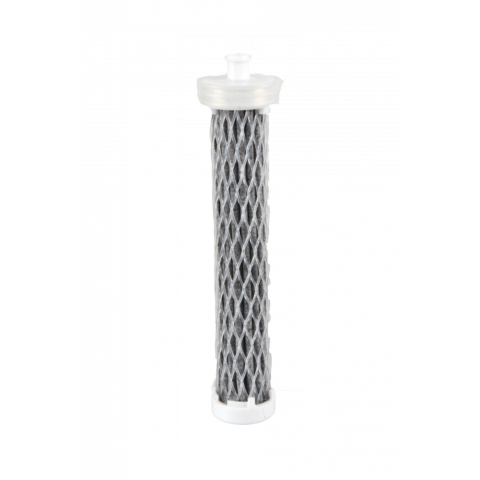
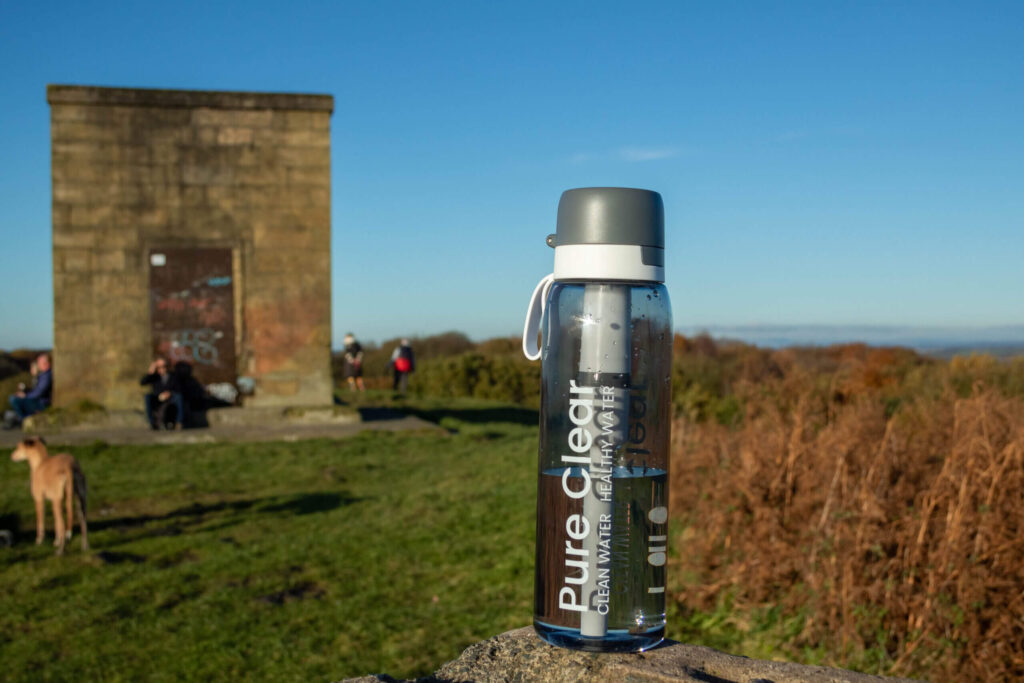
A great option for cyclists is Pure Clear’s filter cycling water bottle. This bottle is equipped with an on-the-go filter that removes viruses, bacteria, microplastics, and other contaminants, making any water source safe to drink. Whether you’re passing a waterfall, stream, or any uncertain water source along your route, you can fill up your bottle confidently, knowing it’s been filtered and purified. This eliminates the need to carry large amounts of water, reduces weight, and provides peace of mind while exploring outdoor routes.
FAQs
Is there a free route planner app?
There are several free route planner apps available for cyclists. Popular options include Google Maps, which offers basic route planning with cycling directions, and Komoot, which allows you to plan cycling routes and offers free access to basic features like route mapping and turn-by-turn directions. Strava also offers a free version where you can explore and follow cycling routes, though some features may require a premium subscription.
What is the 75 rule in cycling?
The 75 rule in cycling means riding at 75% of your maximum effort. It helps you maintain a steady pace and ride longer without tiring too quickly.
What is a reasonable distance to cycle in a day?
A reasonable distance to cycle in a day depends on your physical abilities. For a beginner, around 20 to 30 miles is a good starting point, while more experienced cyclists can handle 50 to 100 miles or more. It’s important to listen to your body and only push as far as you can comfortably manage.
Conclusion
In summary, there are multiple ways you can successfully plan a cycling route. Everyone has different preferences for planning. However, if you do good research, focus on safety, and think about hydration and personal needs, you will be fine!