


In the pursuit of peak performance at the gym, it’s easy to overlook the crucial role that nutrition plays in achieving our fitness goals. While exercise is undeniably important, providing our bodies with the right nutrients is equally vital for enhancing our performance, energy levels, muscle growth, and recovery.
This blog post will delve into the significance of pre-workout and post-workout nutrition, explore the ideal macronutrient ratios, discuss the importance of meal timing, and touch upon the potential benefits of supplementation. By adopting these practical tips and strategies, you can tweak your nutrition to fuel your body with the right nutrients, ultimately enhancing your overall performance.
Pre-Workout Nutrition: The Foundation for Success
Before hitting the gym, it’s essential to fuel your body with the appropriate nutrients to power through your workout. Carbohydrates serve as the primary energy source, providing the necessary glycogen levels for optimal performance. Complex carbohydrates such as whole grains, sweet potatoes, and oats release energy gradually, ensuring a sustained boost during your exercise routine.
Furthermore, consuming a moderate amount of protein, found in lean meats, fish, eggs, or plant-based alternatives like tofu or legumes, helps promote muscle protein synthesis and aids in muscle recovery. Combining carbohydrates and protein in a pre-workout meal or snack can help maintain muscle function and prevent muscle breakdown during your training sessions.
During Your Workout: The Role of Hydration
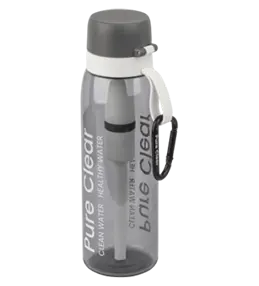
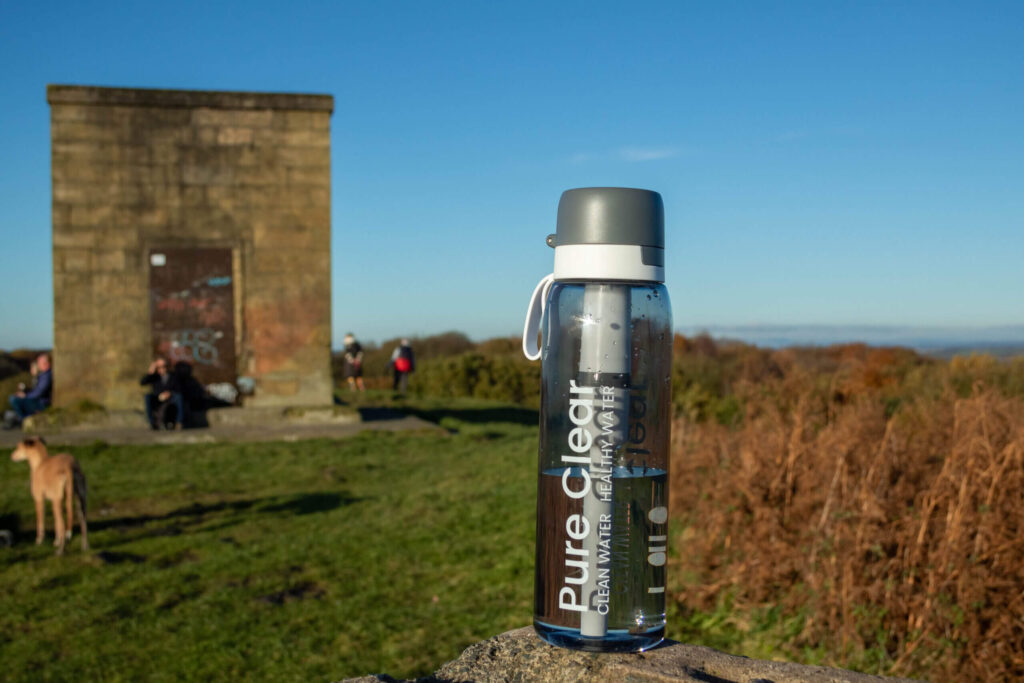
During your workout, make full use of your gym water bottle at regular intervals to stay hydrated. As you sweat, your body loses water and electrolytes, so it’s essential to replenish them to avoid dehydration and potential decreases in performance.
Filtered water not only helps quench your thirst but also ensures you’re consuming clean, pure water that is free from impurities and contaminants. It can contribute to optimal hydration, helping you maintain energy levels and perform at your best.
Remember, the amount of water you need during exercise depends on factors such as duration, intensity, and sweat rate. As a general guideline, aim to drink around 7-10 ounces (200-300 ml) of water every 10-20 minutes during your workout. Adjust this based on your individual needs and the environmental conditions.
Post-Workout Nutrition: Replenishing and Repairing
Post-workout nutrition is crucial for replenishing glycogen stores and kickstarting the recovery process. Consuming a combination of carbohydrates and protein within the first hour after exercise is essential to promote muscle glycogen synthesis and promote muscle repair.
Fast-digesting carbohydrates like fruits, rice cakes, or white bread paired with a high-quality protein source such as whey protein or Greek yoghurt can help initiate this recovery process. Including some healthy fats, like avocado or nuts, can further enhance nutrient absorption and support overall muscle development.
Macronutrient Ratios: Finding the Right Balance
To achieve your goals at the gym, accumulating the optimal macronutrient ratio is key to achieving the best performance and body composition. While individual needs may vary, a general guideline is to aim for a balanced distribution of carbohydrates, proteins, and fats. Carbohydrates should typically constitute around 45-65% of your total caloric intake, with an emphasis on complex sources like whole grains, vegetables, and legumes.
Protein intake should range from 15-25% of your calories, focusing on lean sources such as poultry, fish, dairy, or plant-based alternatives. Lastly, fats should make up around 20-35% of your daily caloric intake, with an emphasis on healthy options like olive oil, avocados, nuts, and seeds. Adjusting these ratios based on your specific goals and body type can help elevate your performance and body composition.
Meal Timing: Strategic Eating for Performance
Beyond macronutrient ratios, meal timing also plays a vital role in achieving peak performances. Consuming a balanced meal or snack containing carbohydrates and protein 2-3 hours before your workout provides the necessary energy and nutrients to sustain your training session. Additionally, having a smaller snack 30-60 minutes before exercise, such as a banana or a protein bar, can provide an extra boost of energy.
After your workout, consuming a post-workout meal or snack within the first hour helps replenish glycogen stores and kickstart the recovery process. Remember, consistency in meal timing is key to maintaining energy levels and improving output.
Supplementation: Enhancing Performance, if Necessary
While a well-rounded diet should ideally provide all the necessary nutrients, some individuals may benefit from certain supplements to enhance performance and recovery. Protein powders, for instance, can be a convenient way to meet your protein requirements, especially for individuals with higher protein needs or those with dietary restrictions.
Branched-chain amino acids (BCAAs) are another popular supplement that can aid in muscle recovery and reduce exercise-induced muscle damage. Creatine monohydrate has shown to enhance strength and power output, making it a beneficial supplement for high-intensity exercises. However, it’s important to remember that supplementation should complement a well-balanced diet and exercise routine, rather than replace them.
Practical Tips for Optimal Nutrition
To summarise, here are some practical tips to meet proper nutrition and bolster your performance at the gym:
- Fuel up with a balanced pre-workout meal or snack containing carbohydrates and protein to provide sustained energy and promote muscle function.
- Consume a combination of carbohydrates and protein within the first hour after your workout to replenish glycogen stores and support muscle recovery.
- Strive for a well-balanced macronutrient ratio, emphasising complex carbohydrates, lean proteins, and healthy fats.
- Practise strategic meal timing by eating 2-3 hours before your workout and having a smaller snack closer to exercise.
- Consider supplementation, if necessary, to support your specific goals and address any nutrient deficiencies.
- Don’t forget the importance of staying properly hydrated throughout the day, especially during exercise.
By implementing these nutrition strategies, you can significantly improve your gym performance, fuel muscle growth, and enhance your overall recovery. Remember, consistency and flexibility are key when it comes to finding the nutrition approach that works best for you.
So, consider your nutrition alongside your exercise routine, and watch your performance soar to new heights.